
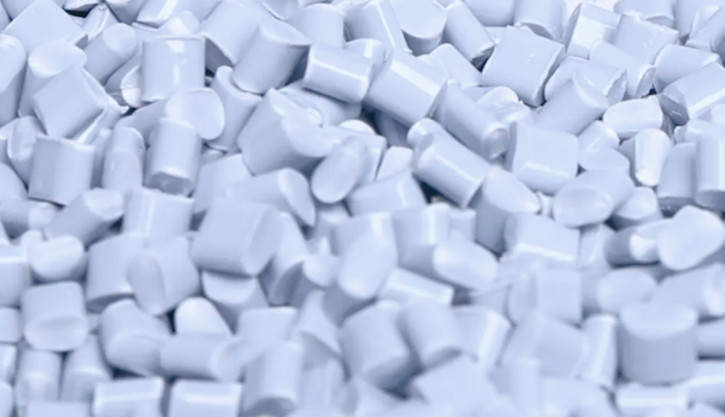
This group of thermoplastic elastomers offers excellent elasticity and is used to make plastics frost-resistant and flexible at low temperatures. Certain TPE grades also serve as melt-flow modifiers, reducing shrinkage and warping in molded products.
The production of thermoplastic elastomers involves creating specialized polymer additives. These materials combine high elasticity and functionality with the ability to soften when heated.
Manufacturing typically follows several stages. First, the base polymer is selected and prepared. Then the thermoplastic elastomer is blended into it—using equipment such as extruders or mixers—to ensure even distribution throughout the polymer mass.
Polymer additives have a broad range of applications. They can improve plastic performance by increasing strength, enhancing heat and chemical resistance, reducing flammability, and more. They can also impart special functions such as electrical conductivity, antistatic properties, or antibacterial effects.
TPE additives further improve adhesion to polyolefins and EVA, resulting in stronger bonding with base polymers and enhanced structural integrity in multilayer materials.
Overall, polymer additives play a key role in developing new materials and technologies, expanding the potential of polymers across numerous industries and everyday applications.